

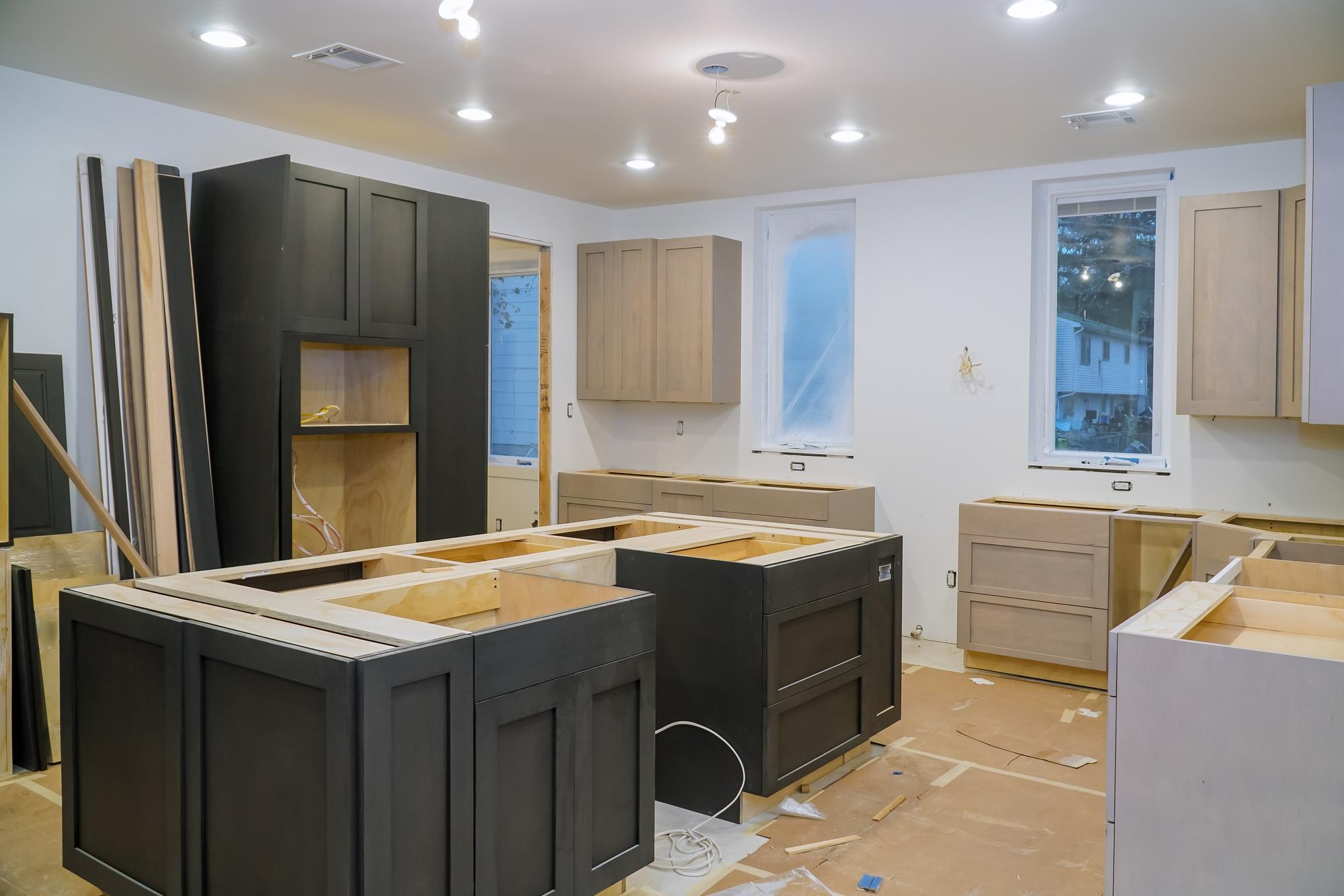
Remodeling in Bishop Arts District

General Remodel Dallas Bishop Arts District Remodeling

General Remodel Dallas In Bishop Arts District, thoughtful remodeling can make an older property easier to maintain, a newer home more personal, or a business space more effective. The local market includes Bishop Arts and surrounding walkable Oak Cliff residential and commercial streets, so a useful plan should respond to the actual site rather than rely on a one-size-fits-all package.

Contractors within the General Remodel Dallas network assist with home renovation, restaurant and retail build-outs, kitchens, bathrooms, and adaptive reuse. Work may involve bungalows, small historic homes, storefronts, apartments, and creative commercial spaces. The process emphasizes clear scope decisions, realistic sequencing, and finishes selected for long-term use.

  • Straightforward communication about allowances, options, and changes before work proceeds.
  • Scope planning shaped around the property's existing condition and the owner's goals.
Plan Your Renovation

Bishop Arts District Remodeling Perspective Many Bishop Arts District projects begin with a specific frustration: a closed-off kitchen, worn surfaces, limited storage, an outdated bathroom, or space that no longer fits the household. A focused evaluation turns those concerns into priorities and helps separate essential work from optional upgrades.

The practical side of remodeling in this area often includes historic context, compact lots, parking constraints, and active pedestrian areas. Contractors can coordinate trade work, inspections, material timing, and communication so decisions are made before they become expensive field changes.

  • Finish choices evaluated for appearance, maintenance, and suitability for North Texas conditions.
  • Coordinated scheduling for materials, trades, inspections, and final details.
Talk Through the Scope

Answers for property owners

Plan a more effective Bishop Arts District renovation

Contact General Remodel Dallas to discuss your Bishop Arts District property, the improvements you are considering, and the practical next steps for developing a well-defined remodeling scope.
Ask About Planning and Permits
Talk Through the Scope

Use a written scope, itemized allowances, and a documented change-order process. It is also wise to reserve part of the budget for concealed conditions that may only become visible after demolition. In this area, the planning discussion should also consider historic context, compact lots, parking constraints, and active pedestrian areas.

Selections are typically organized around the design, budget, availability, and installation requirements. Confirming major items early helps reduce delays and keeps adjacent finishes coordinated. That is especially relevant for projects involving home renovation, restaurant and retail build-outs, kitchens, bathrooms, and adaptive reuse.

Start by listing the rooms or problems you want to address, the result you hope to achieve, and a realistic investment range. A contractor can then inspect the property, identify hidden constraints, and organize the work into a practical scope. Homes such as bungalows, small historic homes, storefronts, apartments, and creative commercial spaces may also reveal different conditions once walls or finishes are opened.

Many structural, electrical, plumbing, mechanical, and addition projects require local approval. The exact requirements depend on the address and scope, so permit needs should be confirmed before work begins. The contractor should document how the proposed approach applies to properties around Bishop Arts and surrounding walkable Oak Cliff residential and commercial streets.